澳洲幸运10历史开奖记录官方网|澳洲10官网历史查询-澳洲幸运10在线直播开奖结果 Millions of developers use Rapid's API Hub
to
APIs
【2023澳洲10彩票】168澳洲幸运10开奖网站官网-澳洲10开奖历史查询-澳洲幸运10官网开奖直播结果 World’s Largest API Hub
4m+
Developers
40k+
APIs in the Hub
1t+
API calls per month
Build APIs
Design, develop, test, monitor, and publish in a fully-featured API client experience.
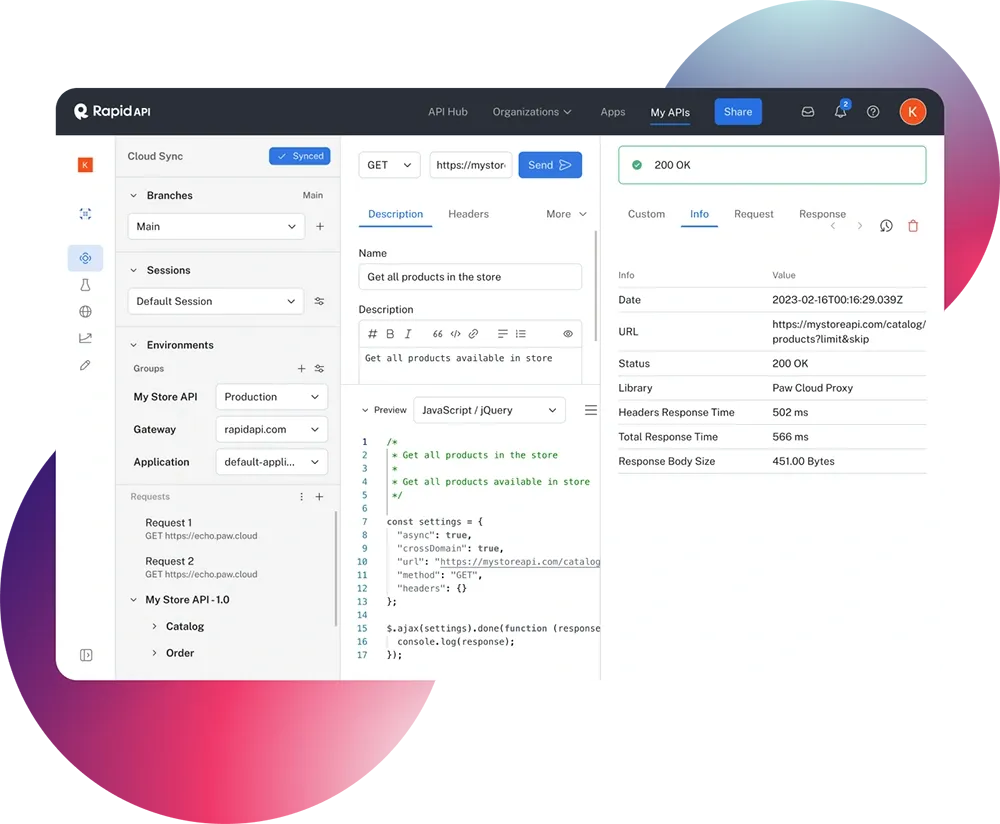
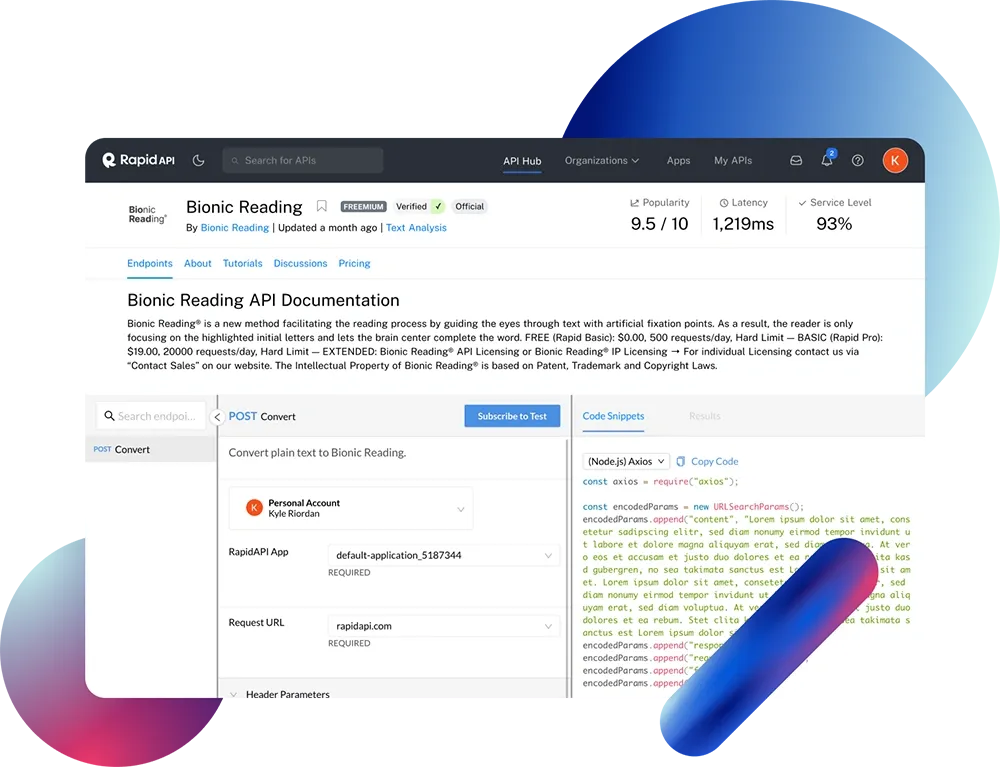
Consume APIs
Discover, evaluate, integrate, and monitor the APIs that work best for your project or application all in one place.
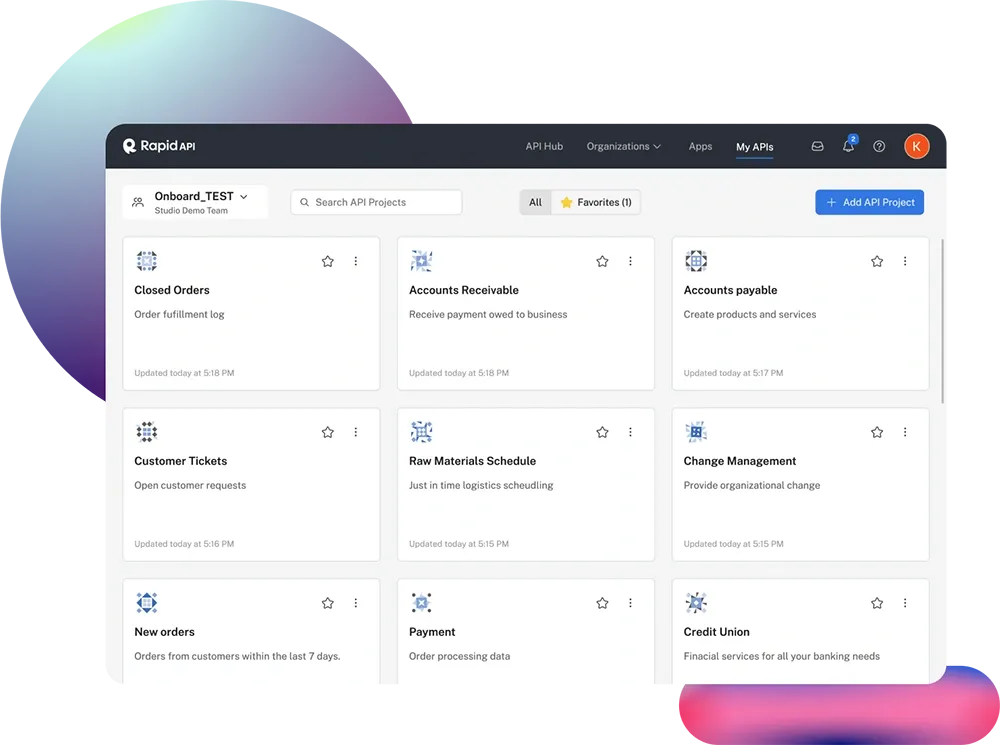
Manage APIs
Manage applications, subscriptions, and API keys using a single dashboard within API Hub for Enterprise.
澳洲幸运5历史开奖号码-2023 澳洲幸运5历史开奖记录体彩查询-澳五开奖结果体彩下载 Industry Leaders Partner with Rapid


Creates an open and secure ecosystem for sharing APIs and data


Scuderia AlphaTauri drove new efficiencies and accelerated innovation across all teams from the factory to the track
Our Most Popular APIs
Facebook APIs
Top Free APIs
List of Google APIs
Top Whatsapp APIs
List of Top Instagram APIs
Top Football (Soccer) APIs
Food APIs
Top Movie APIs
Yahoo Finance API Alternatives
Get Started with API Hub
Often asked questions
What is Rapid's API Platform?
The API Platform is a multi-cloud, customized hub to find, connect to, and share APIs. The API Platform improves the developer experience with integrated tools for designing, testing, monitoring, building, publishing APIs and more.
How does Rapid's API Hub work?
The Hub allows users to find and connect to thousands of APIs using a single SDK and one API key, all in one dashboard. With API Hub, you can test, design, build, and publish APIs in the same dashboard.
Is Rapid's API Hub Free?
Free APIs on the Rapid API Hub do not require a paid subscription in order to use the API. Sign Up to the platform is always free, and users are only charged for making billable API calls, after subscribing to a specific API. Rapid also offers API Hub for Enterprise, which is a customizable version of the product that companies can purchase.

Follow Us